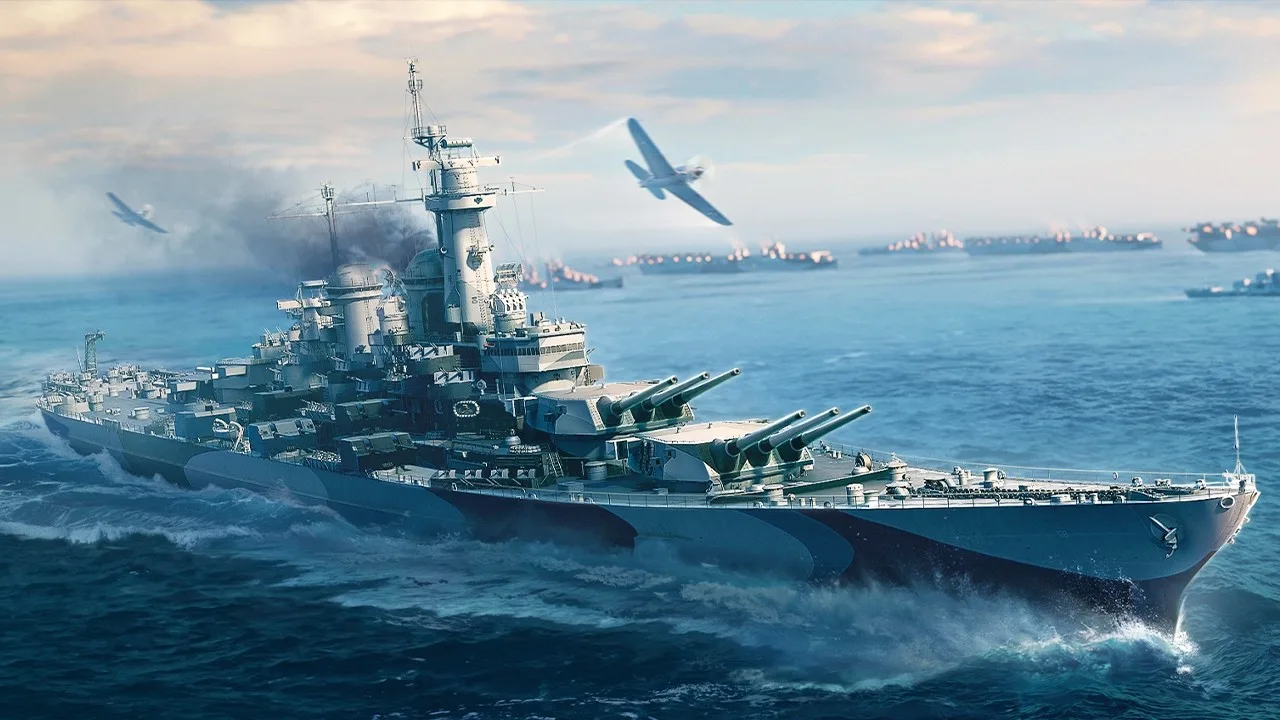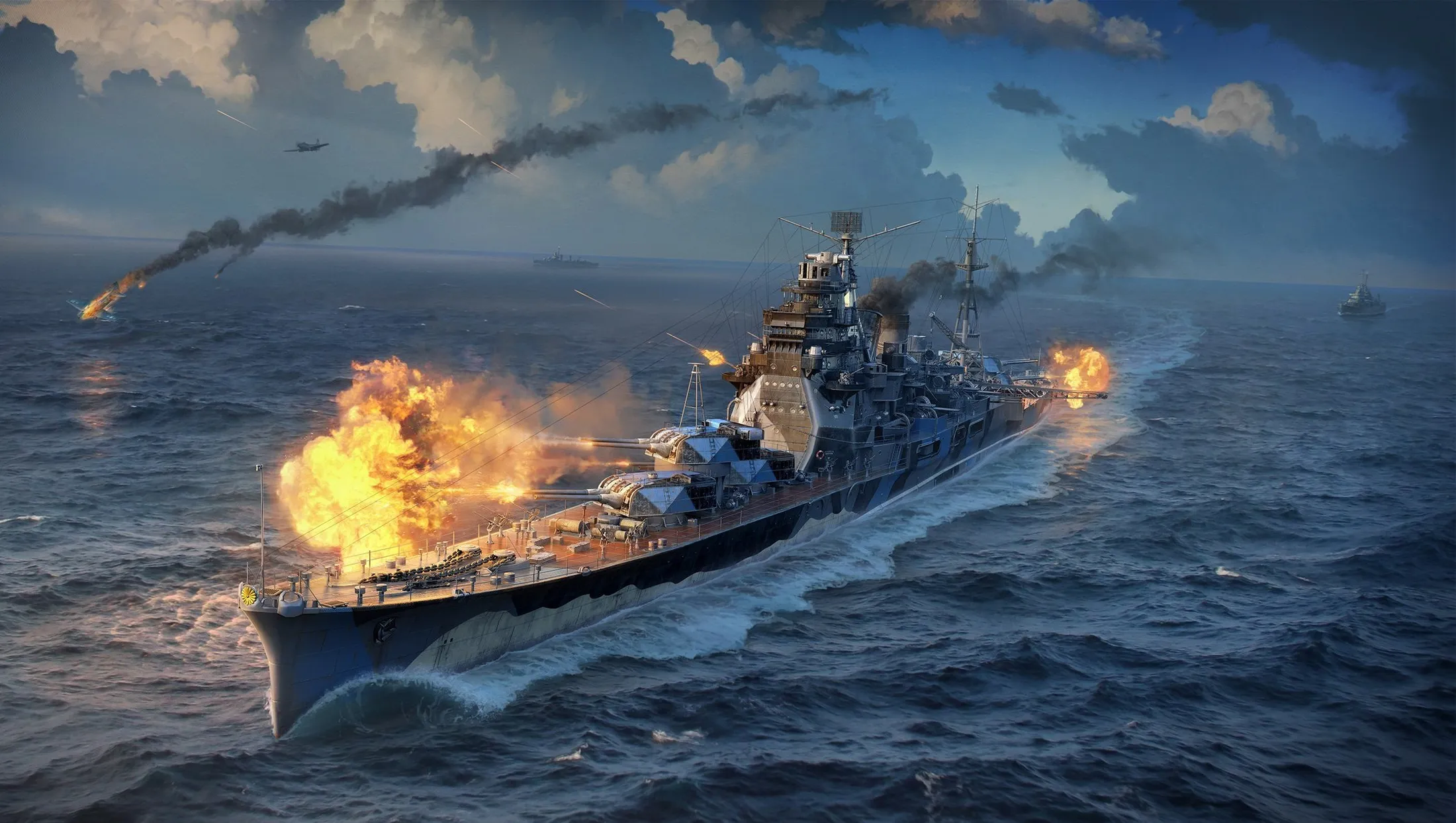
Aim at the target's future position, scale lead with flight time and speed, then use AP on penetrable broadsides and HE on angled targets or destroyers. Ammunition choice depends on impact angle, not click angle.
Lead: flight time multiplied by apparent movement
Crosshair marks are not universal. Lead depends on crosshair, zoom, target speed, angle, and shell flight time.
Read flight time first, then judge whether the target is truly at full speed.
- Use a ranging salvo when needed.
- Correct horizontal lead and vertical aim separately.
- Do not copy the previous aim point after a turn.
Apparent angle reduces lead
A broadside target moves far laterally; a bow-in target does not. Reduce lead as bow or stern becomes visible.
Aim at the future track during turns, accounting for momentum.
Vertical aim
Aim near the waterline for broadside cruiser citadels at short and medium range. At long range, a slightly higher point may be more reliable.
Against battleships, upper belt and superstructure may be better than the main belt. Against destroyers, aim center mass.
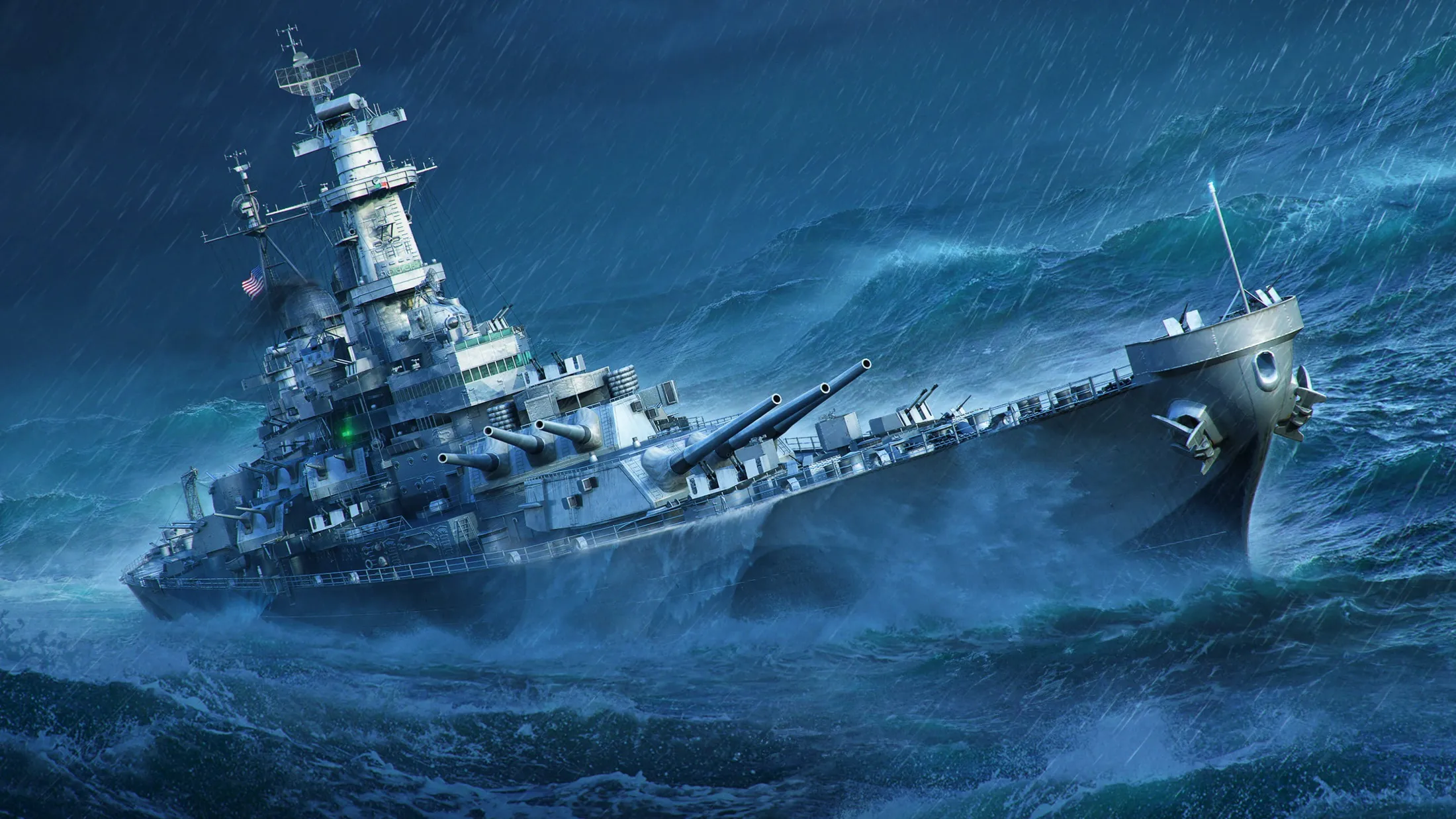
AP: broadsides, improved angles, and overpenetration
AP must penetrate enough armor to arm, then detonate inside. Thin armor can cause overpenetration; steep angles cause ricochet; thick armor stops shells.
U.S. heavy cruiser AP has improved ricochet angles, which expands opportunities without ignoring armor.
- AP against cruiser broadsides.
- AP against battleship upper belts when appropriate.
- Aim higher on thin targets.
- Switch after repeated bounces or overpens.
HE: reliable damage, fires, and saturation
HE detonates on contact and needs sufficient penetration for direct damage. It remains useful against angled targets, destroyers, and superstructures.
Move aim to another section when saturation reduces damage.
Choose target before ammunition
Perfect ammunition against an irrelevant target can still be a bad shot. Prioritize spotted destroyers, exposed cruisers, and low-HP ships.
Preload for likely situations.
Ten-battle exercise
- Name flight time, speed, and angle before firing.
- Watch dispersion center, not only damage.
- Correct one variable at a time.
- Review two missed salvos.